Medical Assisting.
Build the clinical and administrative skills that help medical offices and outpatient clinics run smoothly. CCI’s Medical Assisting program combines classroom instruction, hands-on lab practice, and a supervised externship as you prepare for entry-level work within California’s medical-assistant scope.
No pressure. Just answers.

- Program length
- 9 months
- Campuses to Serve our Communities.
- 3
- Program clock hours
- 720 hours
01 | 06
Your Medical Assisting path, closer to home.
Medical Assisting is offered at CCI campuses in Lancaster, Moreno Valley, and Oxnard. Explore the location that works best for you, then review its current class schedule and externship requirements.
Choose the campus that works for you
Schedules vary by campus. Externship training generally takes place during regular business hours, and evening students must be available for daytime externship assignments. CCI cannot guarantee an evening externship placement.
How You’ll Learn
Learn. Practice. Apply.
The program moves from clinical and administrative foundations to hands-on skills practice and a supervised externship.
- learn
Clinical and Administrative Foundations
Build medical terminology, anatomy, patient communication, scheduling, records, insurance, and medical-office fundamentals.
- practice
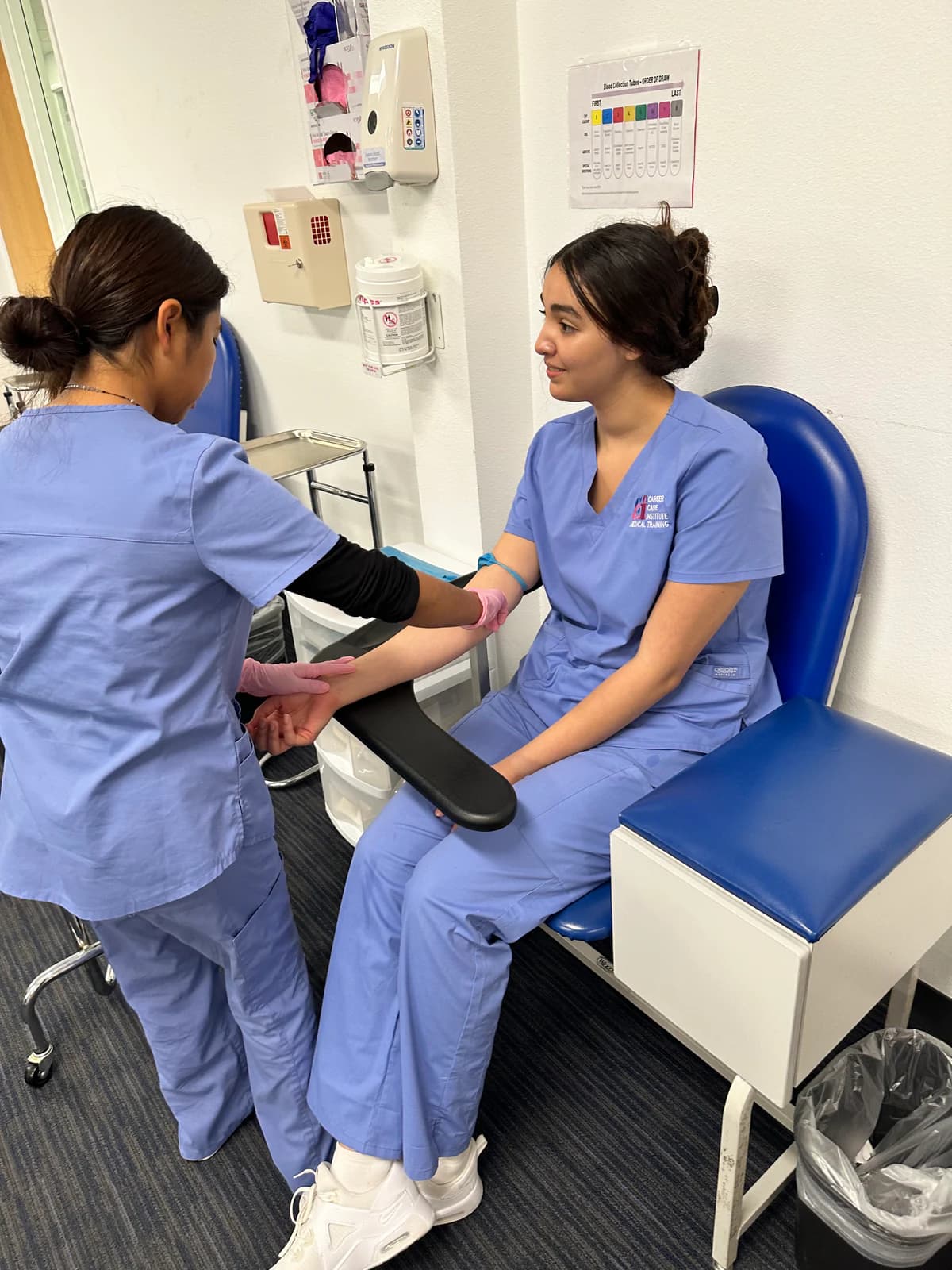
Hands-On Clinical Skills
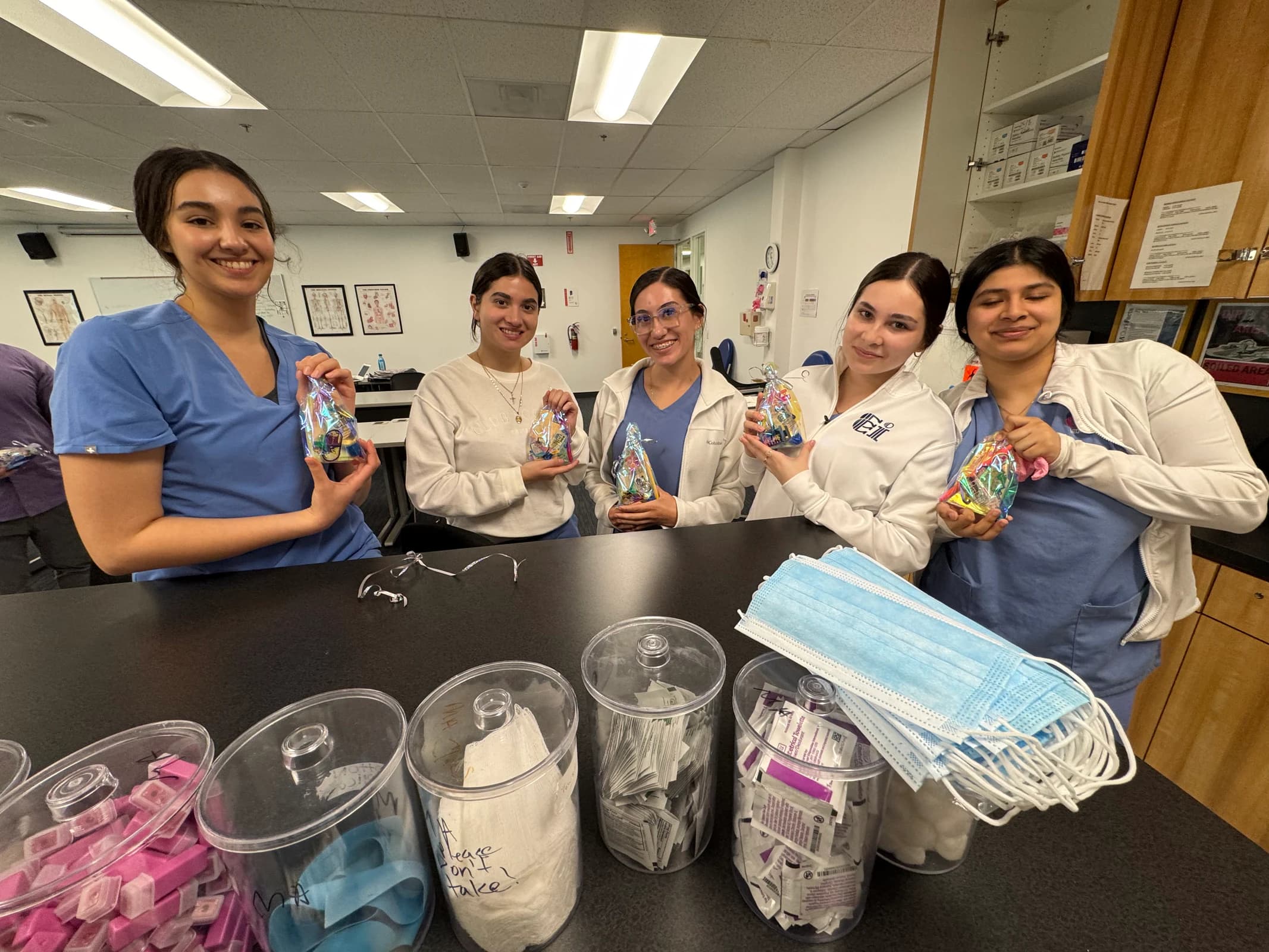
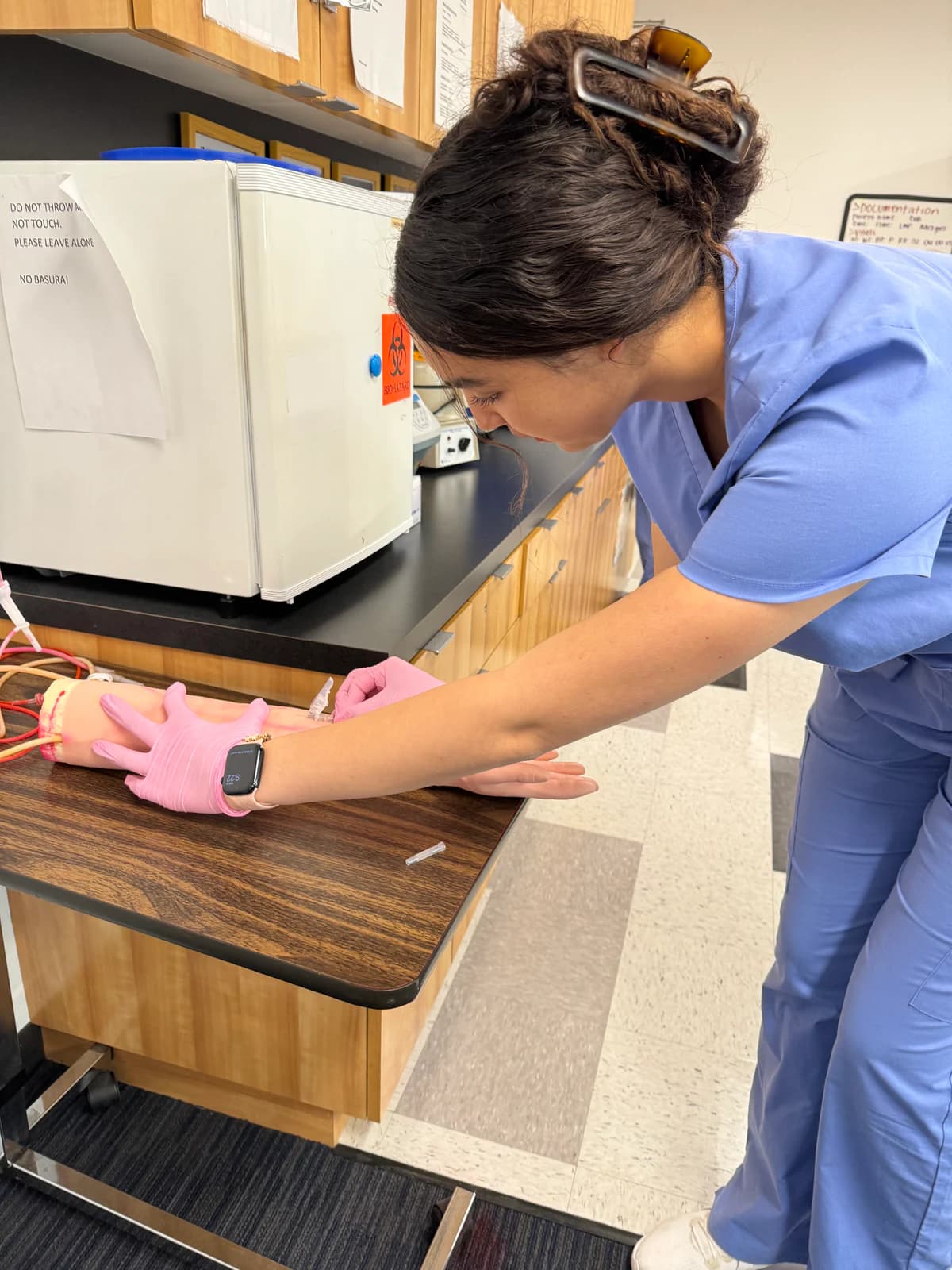
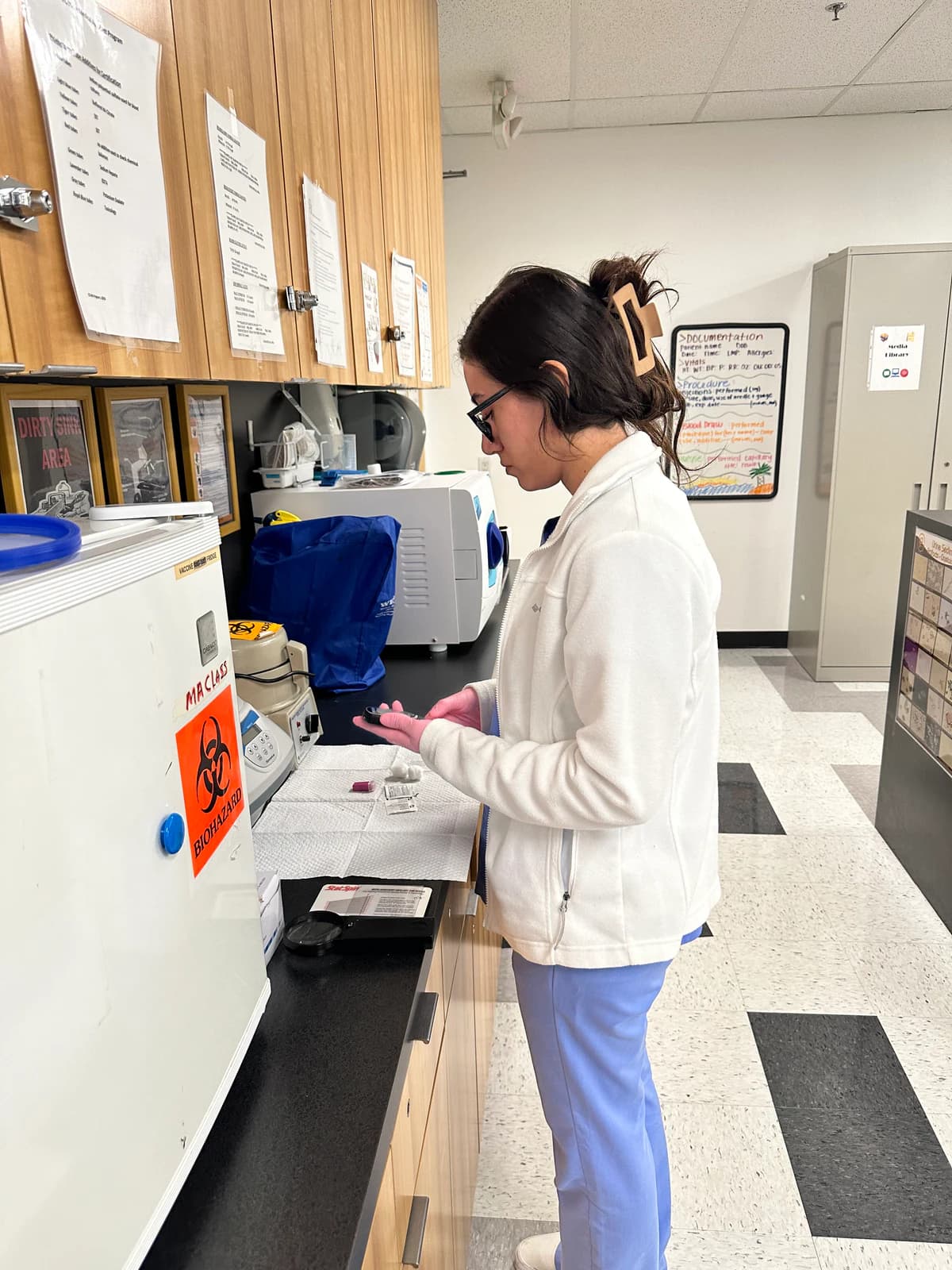
Practice vital signs, exam preparation, infection control, specimen handling, venipuncture, injections, EKGs, and other routine supportive procedures with instructor guidance.
- apply
Supervised Externship
Bring classroom and lab learning into an approved healthcare setting while working under qualified supervision.
What you’ll build
The skills behind patient support. The organization that keeps care moving.
Medical Assisting brings clinical support and medical-office coordination together. You’ll build practical skills for patient visits while learning the communication, documentation, safety, and administrative routines that support an effective healthcare team.
Support the patient visit
Practice patient intake, medical histories, vital signs, examination preparation, and clear communication throughout the visit.
Assist with routine clinical procedures
Learn how medical assistants support examinations, maintain supplies, prepare treatment areas, and perform trained supportive tasks under authorization and supervision.
Work with specimens, injections, and medications
Build training in specimen collection, venipuncture, injections, medication support, and the safety requirements that govern those duties in California.
Use EKG and diagnostic workflows
Practice EKG procedures, routine testing support, equipment preparation, and accurate documentation without interpreting results.
Keep the medical office moving
Develop skills in scheduling, records, insurance forms, billing workflows, telephone communication, and front-office organization.
Document, communicate, and protect privacy
Strengthen professional communication, accurate recordkeeping, confidentiality, teamwork, and the judgment to escalate questions to licensed staff.
Your Journey
From medical-office foundations to supervised practice
The curriculum progresses through patient support, clinical procedures, body systems, administrative workflows, and an externship where students apply their training in an approved setting.
- Foundation
Patient Care and Medical Office Fundamentals
Begin with the communication, terminology, patient-intake, and office skills used throughout medical assisting.
- Patient communication and scheduling
- Medical terminology
- Vital signs
- Patient histories
- Medical-office workflow
Build the foundation for patient-facing and administrative work.
- Clinical Skills
Clinical Procedures and Core Anatomy
Connect anatomy and physiology with the routine procedures used to prepare patients and support examinations.
- Examination preparation
- Venipuncture and specimen collection
- Infection control
- Routine laboratory procedures
- Anatomy and physiology
Move from foundational knowledge into guided clinical practice.
- Diagnostic Support
Cardiovascular and Emergency Readiness
Develop cardiovascular, EKG, injection, medication-support, and emergency-response skills.
- EKG and cardiology
- Injection procedures
- Medication support
- CPR and First Aid
- Emergency procedures
Strengthen safe clinical support and emergency readiness.
- Integrated Practice
Health Behavior and Diagnostic Systems
Expand clinical and administrative knowledge across body systems, patient behavior, records, and diagnostic workflows.
- Medical records and finance
- Patient behavior and communication
- Immune and nervous systems
- Digestive and respiratory systems
- Diagnostic-procedure support
Connect clinical observations with clear documentation and team communication.
- Externship
Externship and Certification Readiness
Apply program learning in an approved healthcare setting while preparing for program completion and optional national certification.
- Supervised externship
- Professional documentation
- Employer evaluation
- NCCT review and testing
- Career preparation
Complete the transition from guided practice to an entry-level workplace setting.
Certification & Career
What comes next
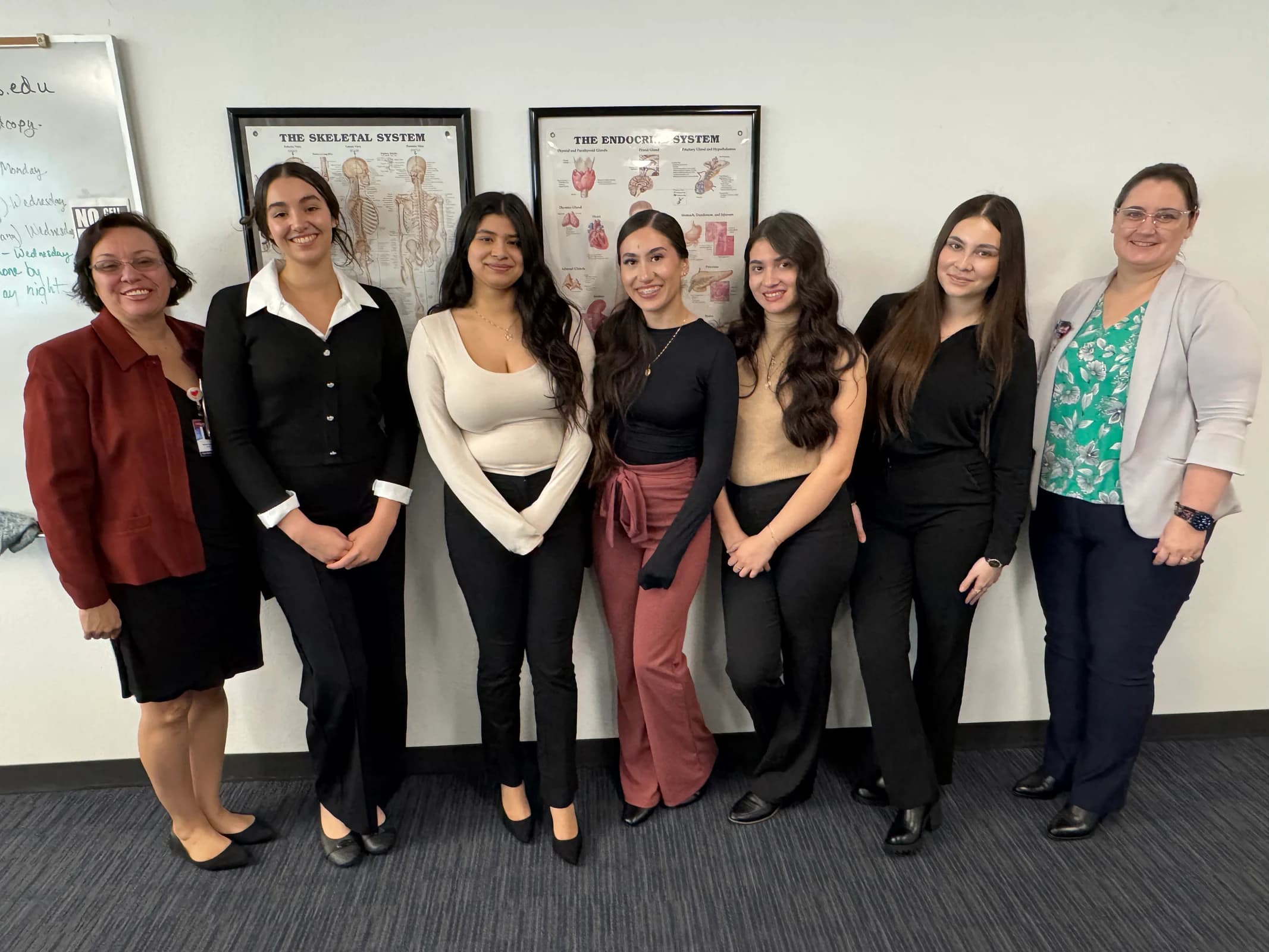
Program completion prepares graduates for entry-level Medical Assisting work and provides an opportunity to pursue national certification. California does not license medical assistants.
From Program Completion to the Workplace
- Complete the Medical Assisting program
- Receive CCI’s Medical Assisting and supporting certificates
- Take the NCCT NCMA examination if pursuing national certification
- Meet employer and role-specific requirements
- Pursue entry-level Medical Assisting work under required supervision
California does not require medical assistants to hold a state license or certification. Employers or insurance carriers may require national certification. Program completion or certification does not expand the duties allowed under California law; duties depend on training, authorization, and supervision.
Review California Medical Assistant requirementsWhere Medical Assistants May Work
- Physician offices
- Outpatient clinics
- Specialty medical practices
- Ambulatory-care settings
- Medical administrative and front-office environments
- Other settings permitted by California law and employer policy
Getting Started
Admissions and student support
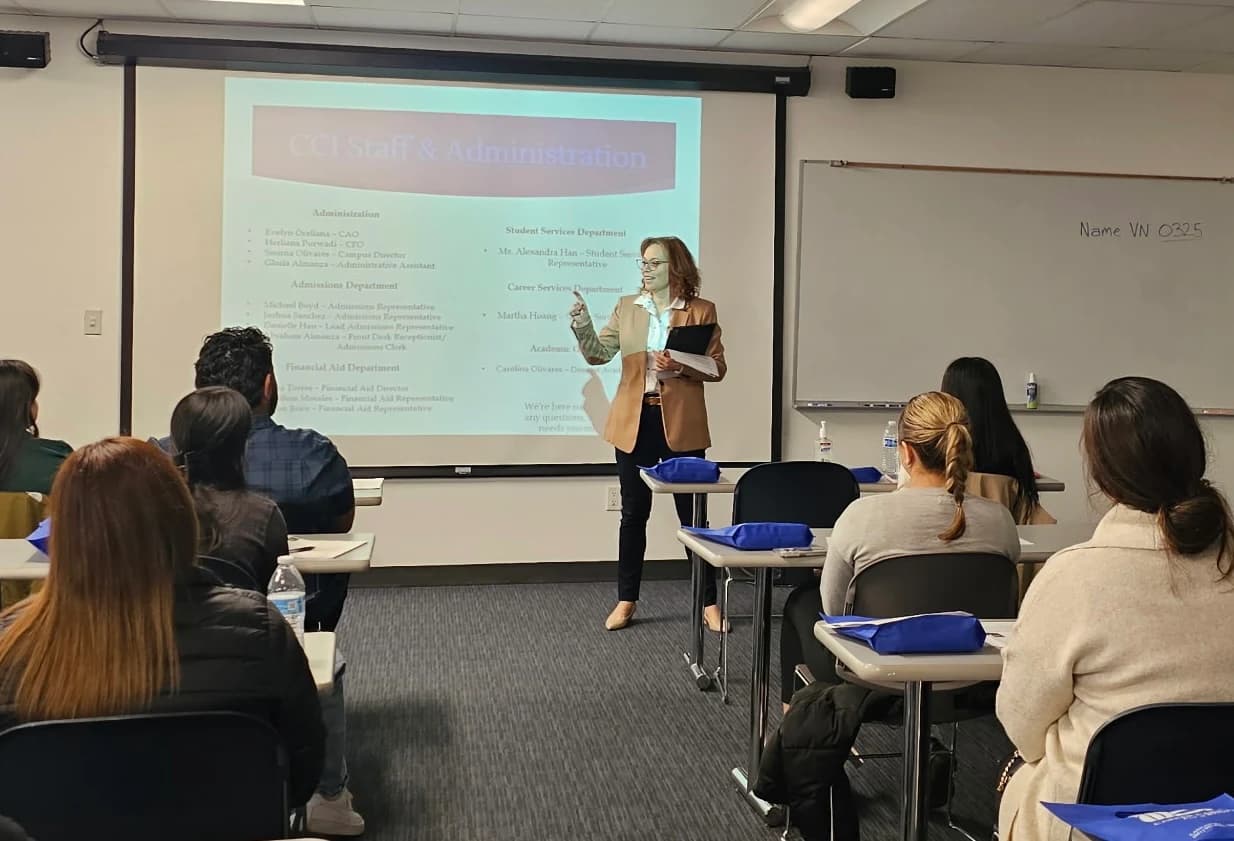
Admissions guides applicants through the entrance process, while academic, externship, and career support continues through training and preparation for the workplace.
Admissions stages
- Speak with Admissions
- Review campus schedules, costs, eligibility, and Quick Facts
- Complete the pre-entrance examination
- Submit education, identity, TB, and drug-screen documentation
- Complete orientation and remaining enrollment requirements
Student support
- Instructor guidance
- Tutoring and academic support
- Guided clinical-skills practice
- Externship coordination
- Career-services and job-placement assistance
- Financial-aid guidance for those who qualify
- Student-services and accommodation support
FAQs
Frequently asked questions
CCI’s current campus Quick Facts describe a 9-month, 36-week program with 720 published program clock hours.
Medical Assisting is offered at CCI campuses in Lancaster, Moreno Valley, and Oxnard.
The curriculum covers clinical procedures, EKG, venipuncture and injections, patient support, medical-office workflows, records, scheduling, and professional communication.
Yes. The program includes supervised externship training in an approved healthcare setting. Review the current campus Quick Facts for scheduling requirements.
Yes. Externships generally operate during regular business hours, and evening students must be available for daytime assignments. CCI cannot guarantee an evening externship placement.
Current Quick Facts list a Medical Assisting certificate, an EKG certificate, a Venipuncture and Injections certificate, and First Aid/CPR certification.
CCI hosts NCCT Medical Assistant testing. Students should confirm current examination timing and eligibility requirements with CCI and NCCT.
No. California does not require state licensure or certification for medical assistants, although an employer or insurance carrier may require national certification.
Review California Medical Assistant requirementsCurrent Quick Facts list a passing pre-entrance score, a high-school diploma or GED with official transcript, identity documentation, a signed Social Security card, a negative TB result, a negative drug screen, and orientation.
Review the campus-specific Program Quick Facts and CCI’s current Student Catalog.
Official documents
Program resources
Review the current schedule, curriculum, admissions requirements, costs, California scope information, and certification resources for the campus you are considering.
- LancasterLancaster Medical Assisting Quick FactsPDFRevised May 15, 2026Open PDF
- Moreno ValleyMoreno Valley Medical Assisting Quick FactsPDFRevised May 15, 2026Open PDF
- OxnardOxnard Medical Assisting Quick FactsPDFRevised May 15, 2026Open PDF
- InstitutionalCCI Student CatalogPDFEffective June 1, 2026–May 31, 2027Open PDF
- InstitutionalGeneral DisclosuresConsumer information, institutional reports, and School Performance Fact SheetsView disclosures
- RegulatoryCalifornia Medical Assistant RequirementsCalifornia scope, training, authorization, and supervision requirementsView requirements
- RegulatoryNCCT Medical Assistant CertificationNCMA certification information and eligibilityView resource
Your next step
See where your Medical Assisting training could begin.
Explore the campus, review the current schedule, and get answers about the program, externship, and admissions requirements.
No pressure. Just answers.