Vocational Nursing.
A career in nursing begins with learning how to care for people with skill, confidence, and compassion. At CCI, you’ll combine classroom learning, hands-on practice, and real clinical experience as you prepare for the NCLEX-PN® and a future as a Licensed Vocational Nurse.
No pressure. Just answers.

- Program length
- 14 months
- Campuses to Serve our Communities.
- 3
- Council on Occupational Education (COE)
- Nationally Accredited
01 | 06
Your nursing path, closer to home.
Vocational Nursing is offered at CCI campuses in Lancaster, Moreno Valley, and Oxnard. Explore the location that works best for you, then review its current schedule and upcoming start dates.
Choose the campus that works for you
Class and clinical schedules may vary by campus and can change as training progresses. An admissions advisor can help you understand the current options at the location you’re considering.
How You’ll Learn
Learn. Practice. Apply.
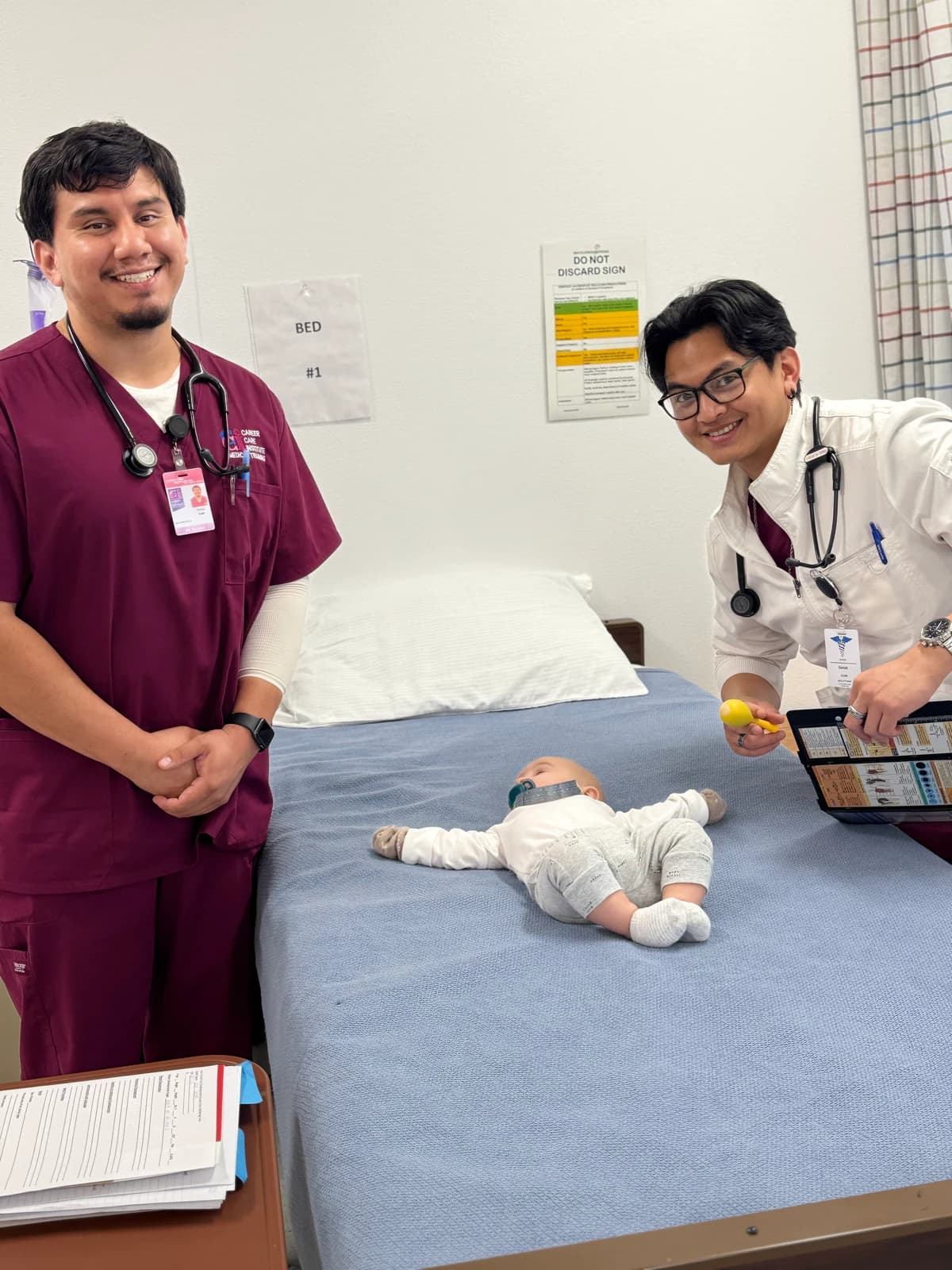
The program moves from classroom foundations to skills-lab practice and supervised clinical experience.
- learn
Classroom Foundations
Build nursing knowledge, understand safe patient care, and develop the reasoning behind clinical decisions.
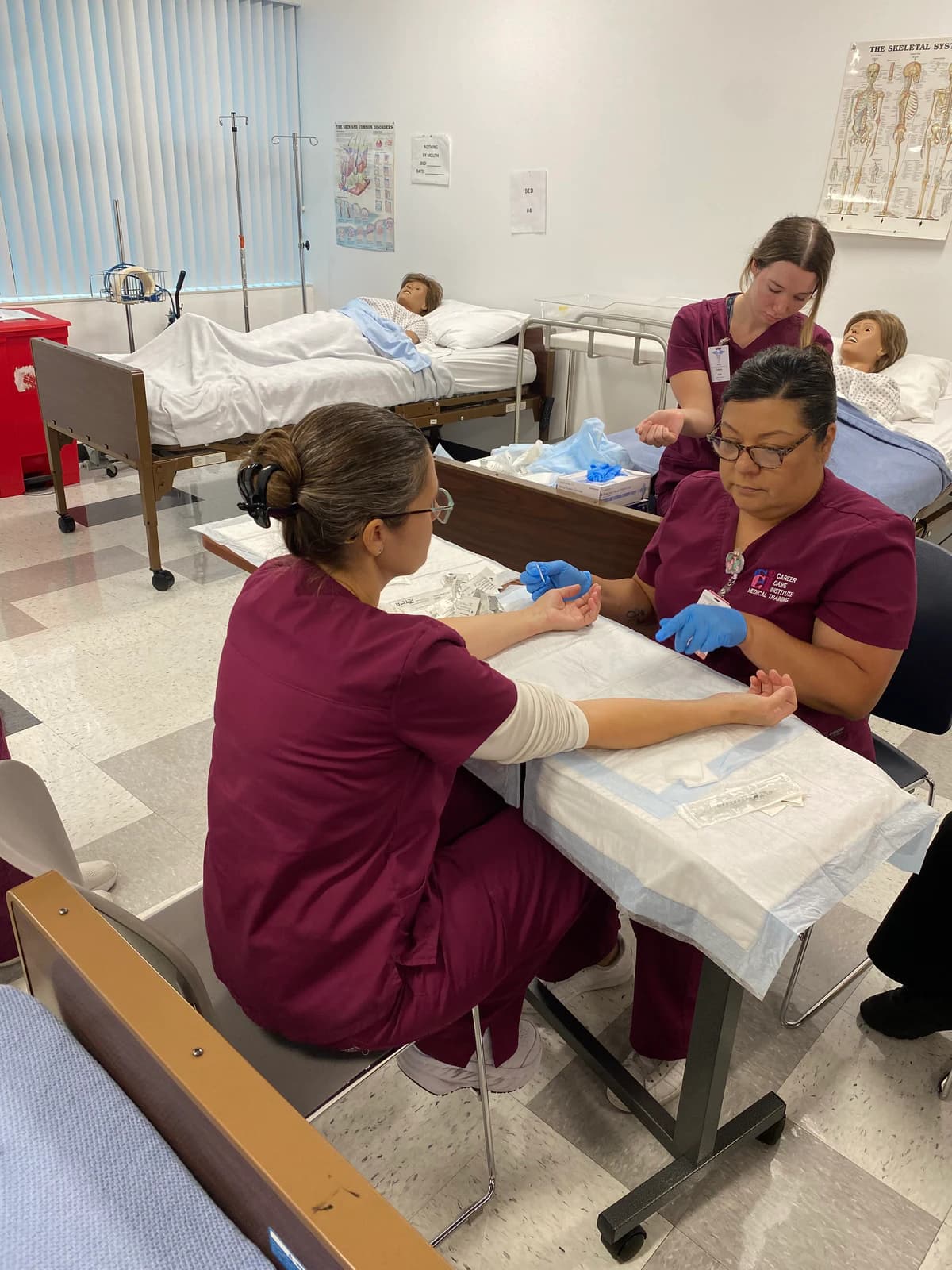
- practice
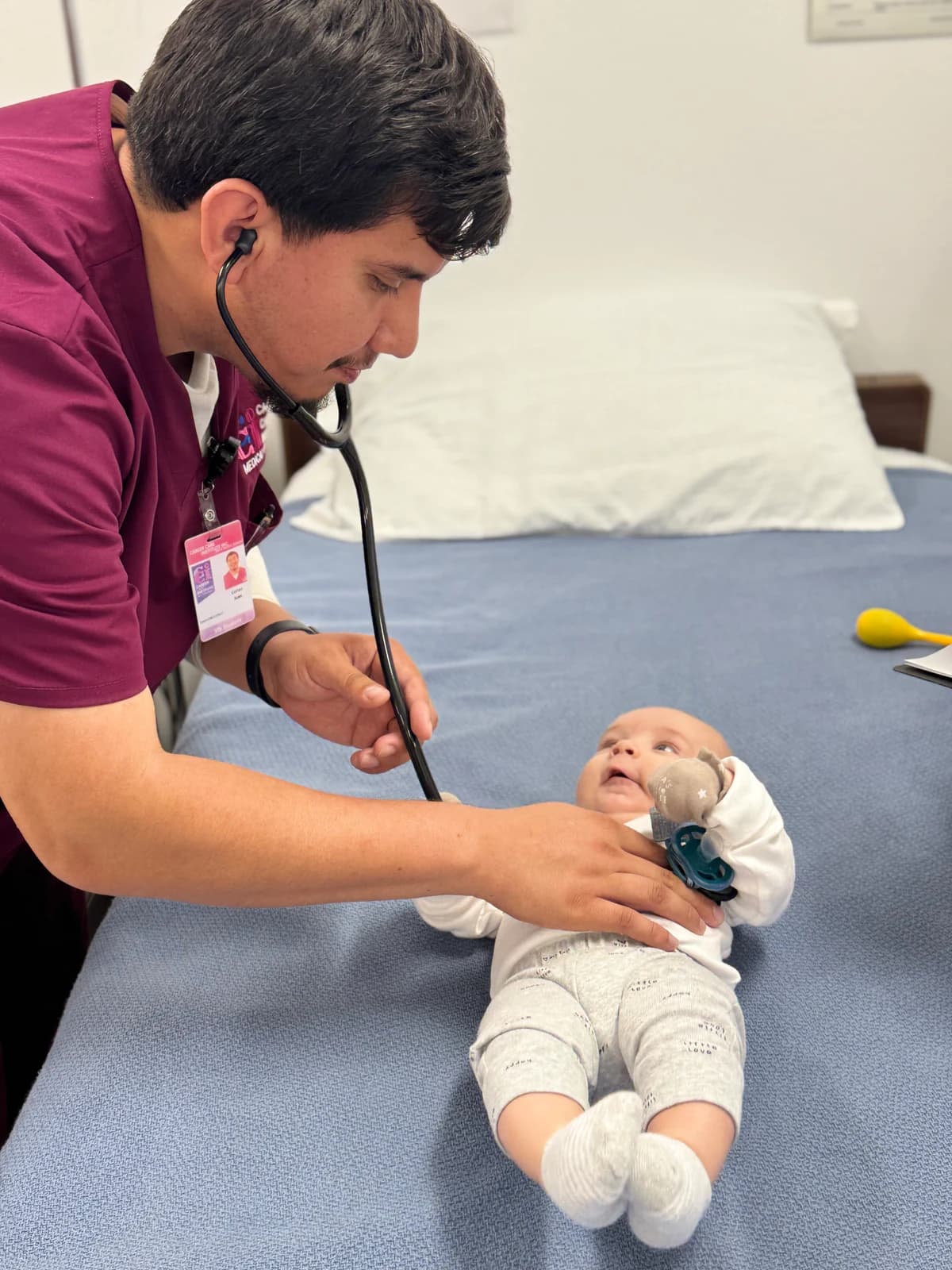
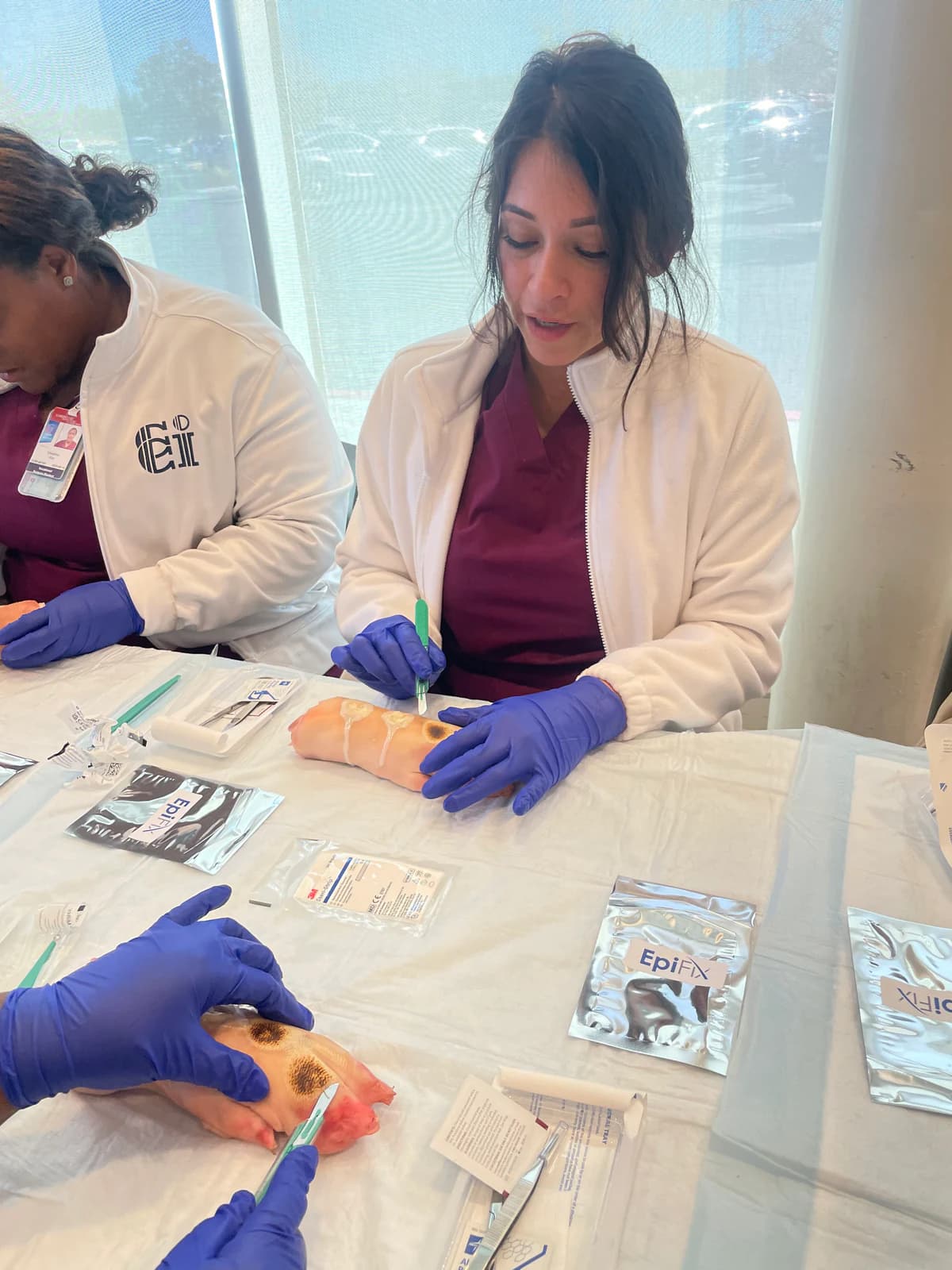
Skills-Lab Practice
Practice assessments, procedures, documentation, communication, and essential nursing techniques with instructor guidance.
- apply
Clinical Experience
Apply classroom and lab learning in supervised healthcare environments as the program progresses.
What you’ll build
The knowledge behind the care. The skills to put it into practice.
Vocational Nursing is more than learning individual procedures. You’ll develop the knowledge to understand what a patient needs, the practical skills to provide care safely, and the judgment to recognize when something has changed and should be reported to the healthcare team.
Understand the patient
Learn how the body works, how health conditions affect it, and how age, nutrition, medications, and life circumstances can influence patient care.
Observe, assess, and report
Practice gathering patient information, measuring vital signs, recognizing changes, documenting observations, and communicating clearly with nurses, physicians, patients, and families.
Provide safe everyday nursing care
Build confidence with essential bedside care, infection prevention, mobility support, comfort measures, and the routines that help protect patient safety and dignity.
Learn medications and treatments
Develop an understanding of medications, dosage preparation, treatment orders, and the safety checks that support responsible nursing care within the Vocational Nurse’s scope of practice.
Care for different needs and stages of life
Explore nursing care for adults, children, families, patients experiencing mental-health needs, and people receiving rehabilitation, home-health, hospice, or specialty care.
Think and communicate like a nurse
Strengthen clinical judgment, teamwork, leadership, patient education, ethical decision-making, and the ability to connect what you observe with the care a patient may need next.
Your Journey
Preparation Workshop and Four-Semester Journey
The program begins with a Preparation Workshop and progresses through four semesters of nursing education.
- Preparation
Preparation Workshop
Begin with an introduction to CCI expectations, learning platforms, ATI, DocuCare, and nursing-math readiness before formal semester instruction begins.
- Orientation and program expectations
- ATI and VN learning platforms
- DocuCare
- Nursing-math readiness
- Early identification of tutoring needs
Ready to begin Semester One
- Semester One
Nursing Foundations
Build the fundamentals of safe, thoughtful patient care while learning how the nursing process guides assessments, decisions, and essential nursing techniques.
- Nursing fundamentals
- Nutrition
- Critical thinking
- The caring role
- Physical assessment and basic nursing techniques
Students receive their BLS certificate by the end of Semester One.
- Semester Two
Medical-Surgical Nursing
Develop adult-care knowledge through medical-surgical nursing, pharmacology, and the care of patients with a range of health conditions.
- Medical-surgical nursing
- Pharmacology
- Fluids and electrolytes
- Cardiovascular and respiratory care
- Applying the nursing process
Move from foundational nursing skills into more complex patient care.
- Semester Three
Advancing Patient Care
Expand medical-surgical and pharmacology knowledge while developing care approaches for mental-health needs and additional body systems.
- Intermediate patient care
- Mental-health nursing
- Continued pharmacology
- Neurological and musculoskeletal care
- Integrated anatomy and physiology
Strengthen clinical reasoning across a wider range of patient needs.
- Semester Four
Specialty Care and NCLEX Preparation
Bring specialty nursing, leadership, clinical readiness, and exam preparation together as you approach program completion.
- Pediatrics and family nursing
- Obstetric and specialty care
- Advanced medical-surgical nursing
- Leadership and supervision
- ATI Live Review and NCLEX-PN® preparation
Program completion and preparation for the NCLEX-PN®—not automatic licensure.
Licensure & Career
What comes next
Program completion is the first step in a separate California licensure process.
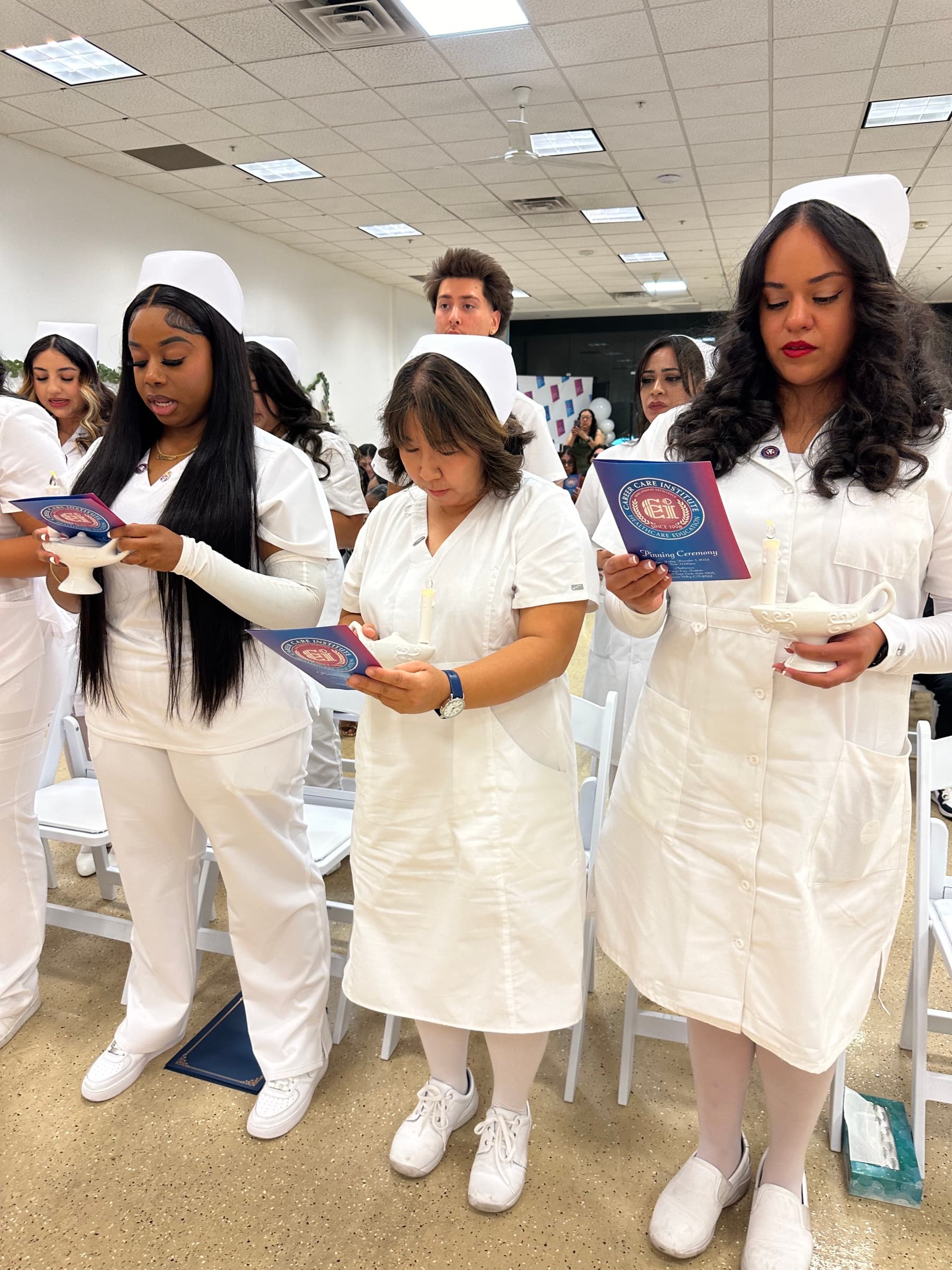
From Graduation to Licensure
- Complete the Vocational Nursing program
- Receive the Vocational Nursing diploma
- Apply for and take the NCLEX-PN®
- Meet California licensing requirements
- Become eligible to work as a Licensed Vocational Nurse after licensure
Completing the program does not itself grant licensure. Graduates must also pass the NCLEX-PN® and meet California licensing requirements.
Review California licensing requirementsWhere Vocational Nurses May Work
- Long-term care
- Skilled nursing
- Clinics and physician offices
- Rehabilitation
- Home health
- Hospice
- Other applicable healthcare settings
Getting Started
Admissions and student support
Admissions guides applicants through the entrance process, while academic and career support continues through training and career preparation.
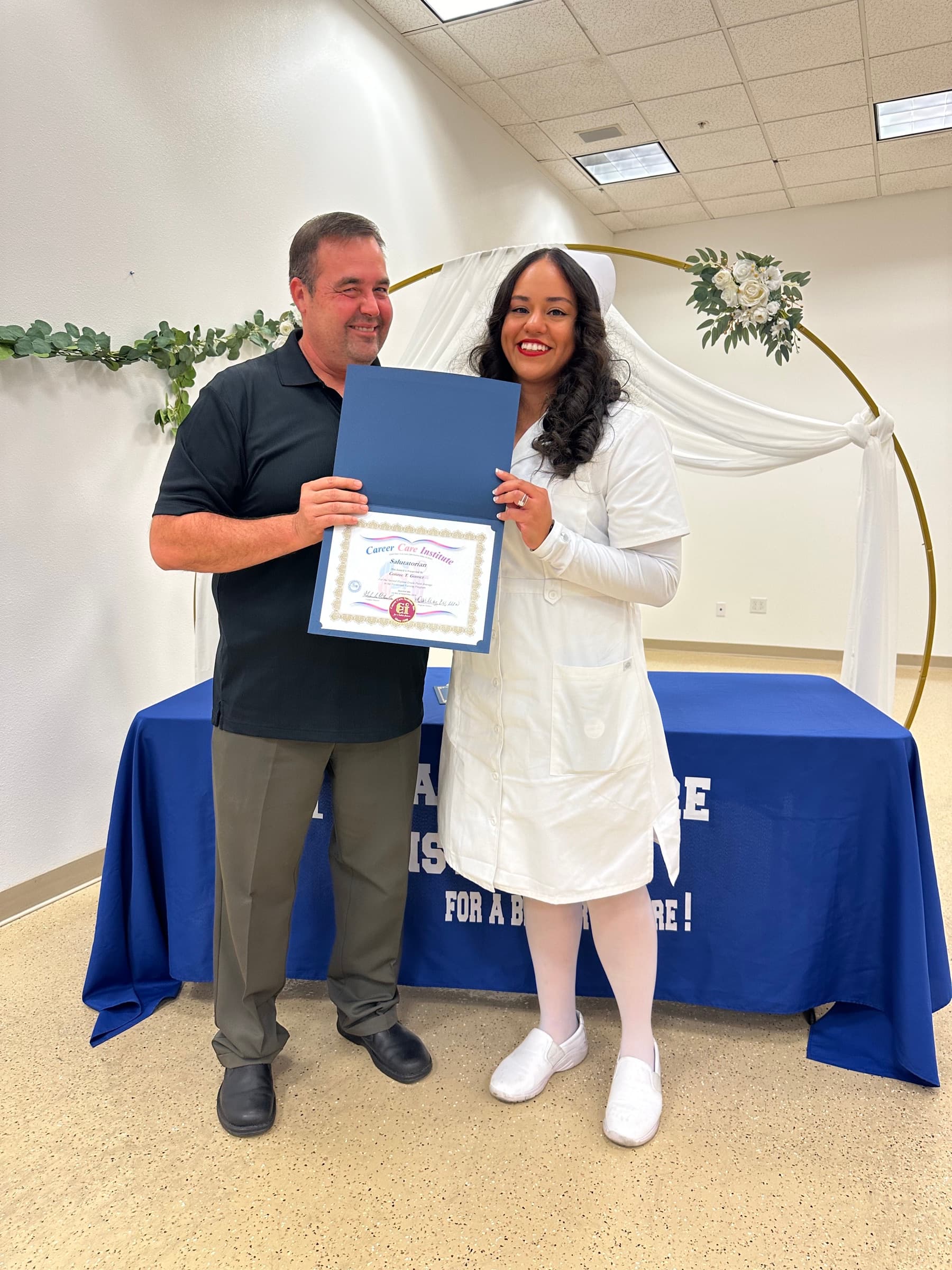
Admissions stages
- Speak with Admissions
- Review eligibility and entrance requirements
- Complete testing and the Program Director interview
- Submit required documentation
- Complete orientation and pre-program requirements
Student support
- Preparation Workshop
- Instructor guidance
- Tutoring and academic support
- Skills practice
- NCLEX-PN® preparation
- Career-services assistance
- Financial-aid guidance for those who qualify
FAQs
Frequently asked questions
CCI’s Vocational Nursing program is approximately 14 months long and is organized into four semesters.
Vocational Nursing is offered at CCI campuses in Lancaster, Moreno Valley, and Oxnard.
Classroom instruction builds nursing knowledge, the skills lab provides guided practice, and clinical experience gives students opportunities to apply their learning in supervised healthcare environments.
Initial clinical learning takes place on campus. Off-campus clinical assignments begin as the program progresses, with current scheduling details provided in each campus’s Program Quick Facts.
Yes. Clinical days, times, locations, and weekend assignments may vary or change, so students must be prepared to maintain scheduling flexibility.
Applicants should expect an admissions interview, entrance testing, education documentation, a Program Director interview, orientation, and required health and background documentation.
Yes. The final semester includes NCLEX-PN® preparation, capstone integration, and an ATI Live Review. Preparation does not guarantee a passing exam result.
No. Completing the program is an important step, but graduates must also pass the NCLEX-PN® and satisfy California licensing requirements.
Review California licensing requirementsFinancial aid is available to those who qualify. Eligibility and available options are reviewed through CCI’s financial-aid process.
The current Program Quick Facts document for each campus includes tuition, fees, additional costs, scheduling information, and complete program requirements.
Official documents
Program resources
Review the complete schedule, curriculum, admissions requirements, costs, and official program information for the campus you’re considering.
- LancasterLancaster Vocational Nursing Quick FactsPDFRevised July 10, 2026Open PDF
- Moreno ValleyMoreno Valley Vocational Nursing Quick FactsPDFRevised July 10, 2026Open PDF
- OxnardOxnard Vocational Nursing Quick FactsPDFRevised July 10, 2026Open PDF
- InstitutionalGeneral DisclosuresConsumer information, institutional reports, and School Performance Fact SheetsView disclosures
Your next step
See where your nursing education could begin.
Explore the campus, learn about the current schedule, and get answers about what the program requires.
No pressure. Just answers.