Registered Nursing.
Build the science, nursing knowledge, clinical judgment, and hands-on experience needed for entry-level registered nursing practice. CCI’s Lancaster-based Associate Degree Nursing program combines classroom instruction, skills and simulation practice, and supervised clinical learning while preparing graduates to pursue California RN licensure.
No pressure. Just answers.

- Program length
- 2 years
- Campus — Lancaster
- 1
- California Board of Registered Nursing
- BRN Approved
01 | 06
Your nursing path, closer to home.
Registered Nursing is offered at CCI’s Lancaster campus. Explore the campus, review the current application process, and ask about upcoming cohort dates and schedules.
Choose the campus that works for you
Class and clinical schedules may include mornings, afternoons, evenings, and weekends and are subject to change. Admissions can explain the current schedule and application timeline.
How You’ll Learn
Learn. Practice. Apply.
The program moves from science and nursing foundations to simulation, skills practice, and supervised clinical learning.
- learn
Classroom Foundations
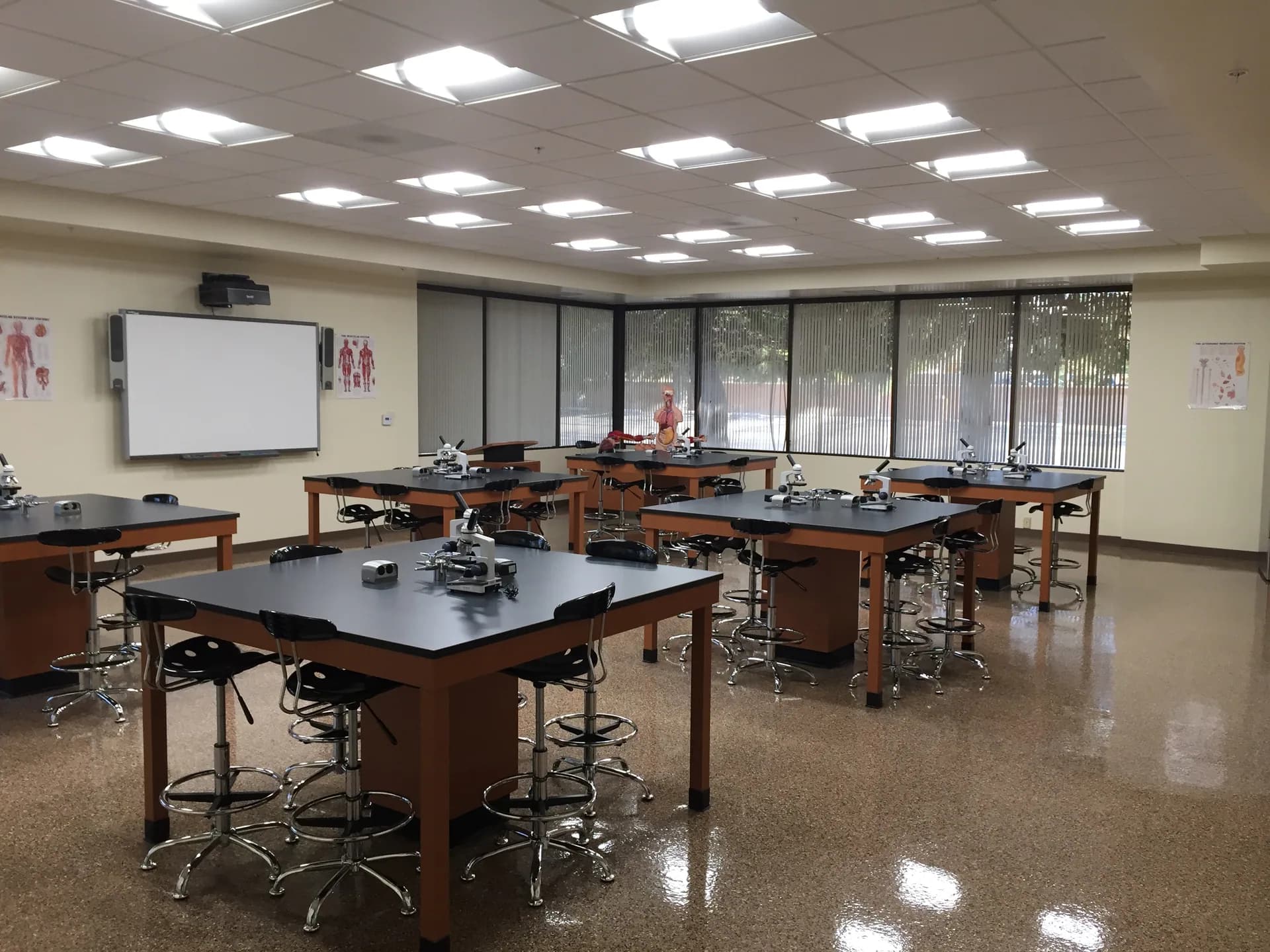
Build knowledge in anatomy, physiology, microbiology, communication, behavioral science, pharmacology, and the nursing principles behind safe patient care.
- practice
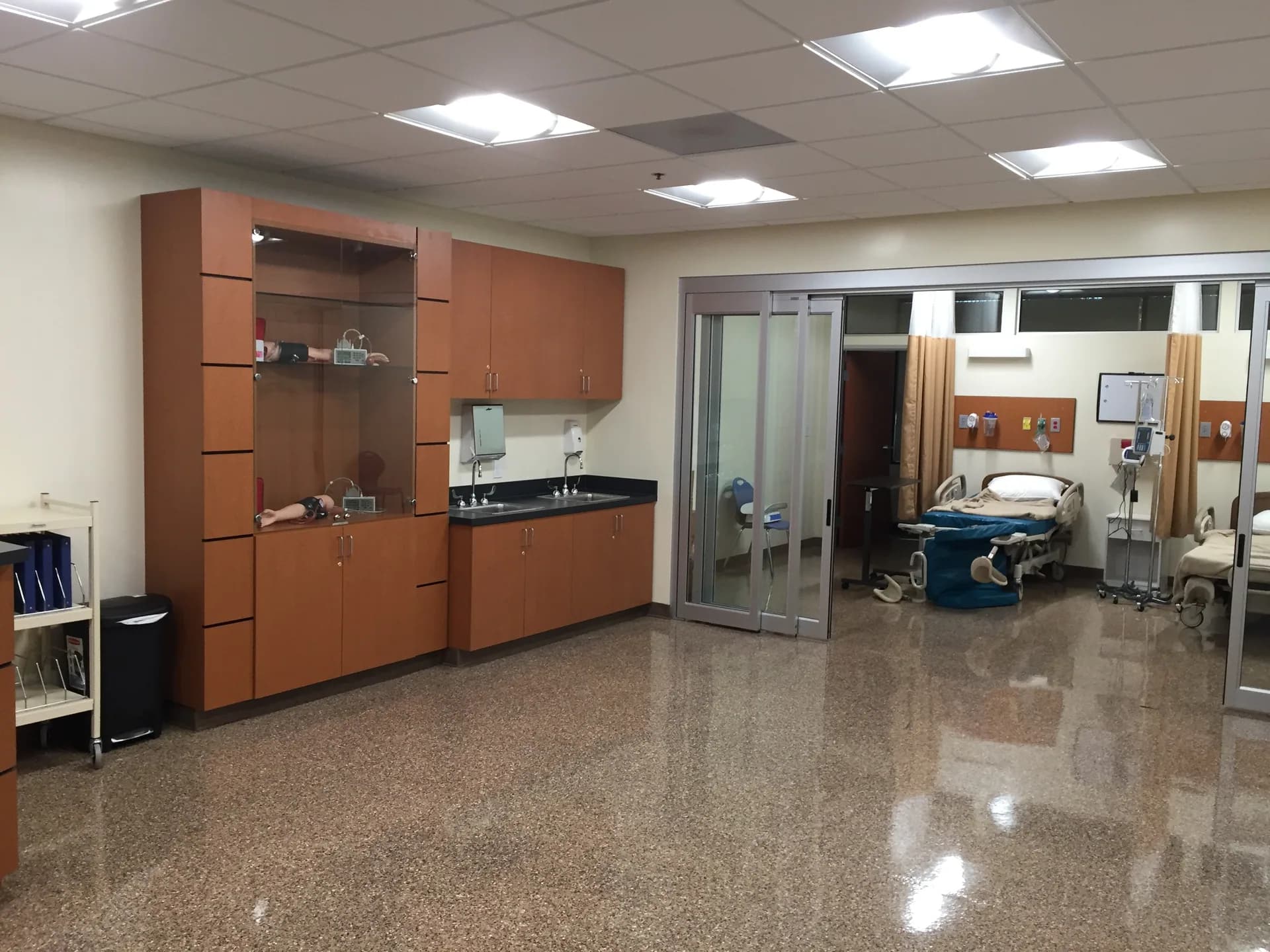
Skills and Simulation Practice
Practice assessments, medication safety, procedures, communication, documentation, and clinical decision-making with faculty guidance before applying them in patient-care settings.
- apply
Clinical Experience
Apply classroom and lab learning in supervised healthcare environments while developing judgment, teamwork, and confidence across the program.
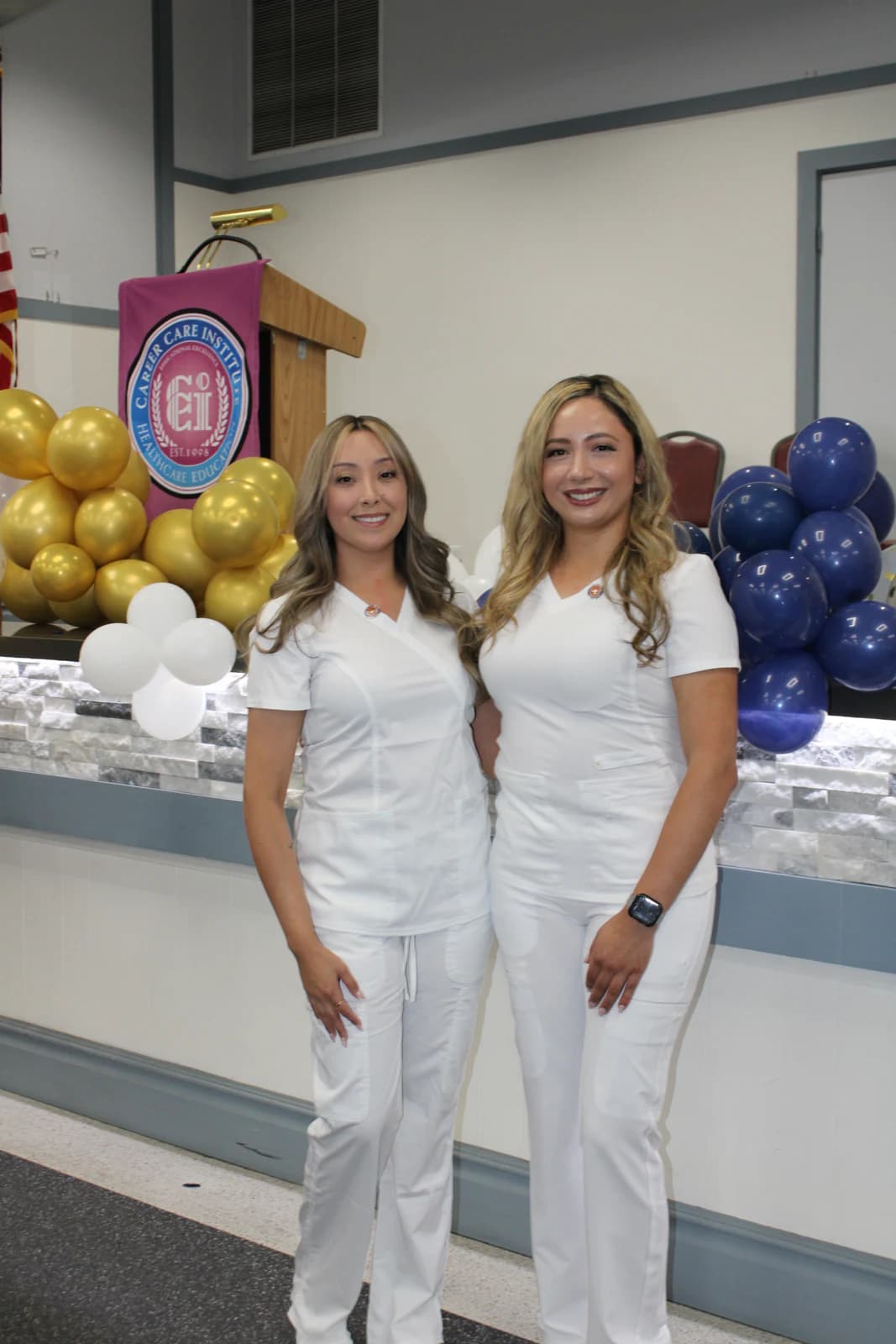
What you’ll build
Clinical judgment. Care that connects.
Registered Nursing brings science, skilled care, communication, and clinical judgment together. You’ll build the knowledge to understand changing patient needs and the practical ability to respond safely as part of a healthcare team.
Assess and monitor patients
Gather health information, perform focused assessments, recognize changes, and report findings.
Plan and prioritize care
Use the nursing process, evidence, and clinical judgment to organize safe care.
Manage medications and treatments
Build pharmacology, dosage-safety, treatment-order, and medication-check knowledge.
Provide safe clinical care
Practice infection prevention, wound care, mobility support, comfort measures, documentation, and essential procedures.
Communicate and coordinate
Develop patient education, therapeutic communication, teamwork, delegation, and interdisciplinary collaboration.
Care across life stages and specialties
Prepare for adult medical-surgical, maternal-newborn, pediatric, and mental-health care.
Your Journey
A Six-Term Associate Degree Journey
The standard ADN pathway begins with science and general-education foundations, then advances through nursing coursework, clinical learning, specialty care, and NCLEX-RN preparation.
- Term One
Science and Study Foundations
Begin the standard pathway with the science, communication, mathematics, and study foundations that support nursing education.
- Anatomy
- Physiology
- Algebra
- Oral communication
- Study skills
Build the academic foundation for the nursing sequence.
- Term Two
Microbiology and the Human Context
Connect microbiology with written communication and the behavioral and social sciences used in patient care.
- Microbiology
- Written communication
- Psychology
- Sociology
Complete the core science and general-education foundation.
- Term Three
Beginning Medical-Surgical Nursing
Enter the core nursing sequence through beginning adult care, ethics, and pharmacology preparation.
- Beginning medical-surgical nursing
- Ethics
- Pharmacology preparation
Begin the core nursing sequence.
- Term Four
Maternal-Newborn and Intermediate Adult Care
Advance clinical judgment through maternal-newborn learning and intermediate medical-surgical nursing.
- Labor and delivery
- Intermediate medical-surgical nursing
- Clinical judgment
Advance from beginning to intermediate nursing care.
- Term Five
Pediatric and Mental-Health Nursing
Broaden care across ages and specialties through pediatric, psychiatric, and family-centered nursing.
- Pediatric nursing
- Psychiatric nursing
- Family-centered communication
Broaden care across ages and specialties.
- Term Six
Advanced Nursing and NCLEX Preparation
Bring advanced adult care, prioritization, readiness, and licensure-exam preparation together.
- Advanced medical-surgical nursing
- Prioritization
- Clinical readiness
- NCLEX-RN preparation
Complete the ADN curriculum and prepare for the separate licensure process.
Licensure & Career
What comes next
Completing the degree is the first step in a separate California licensure process.
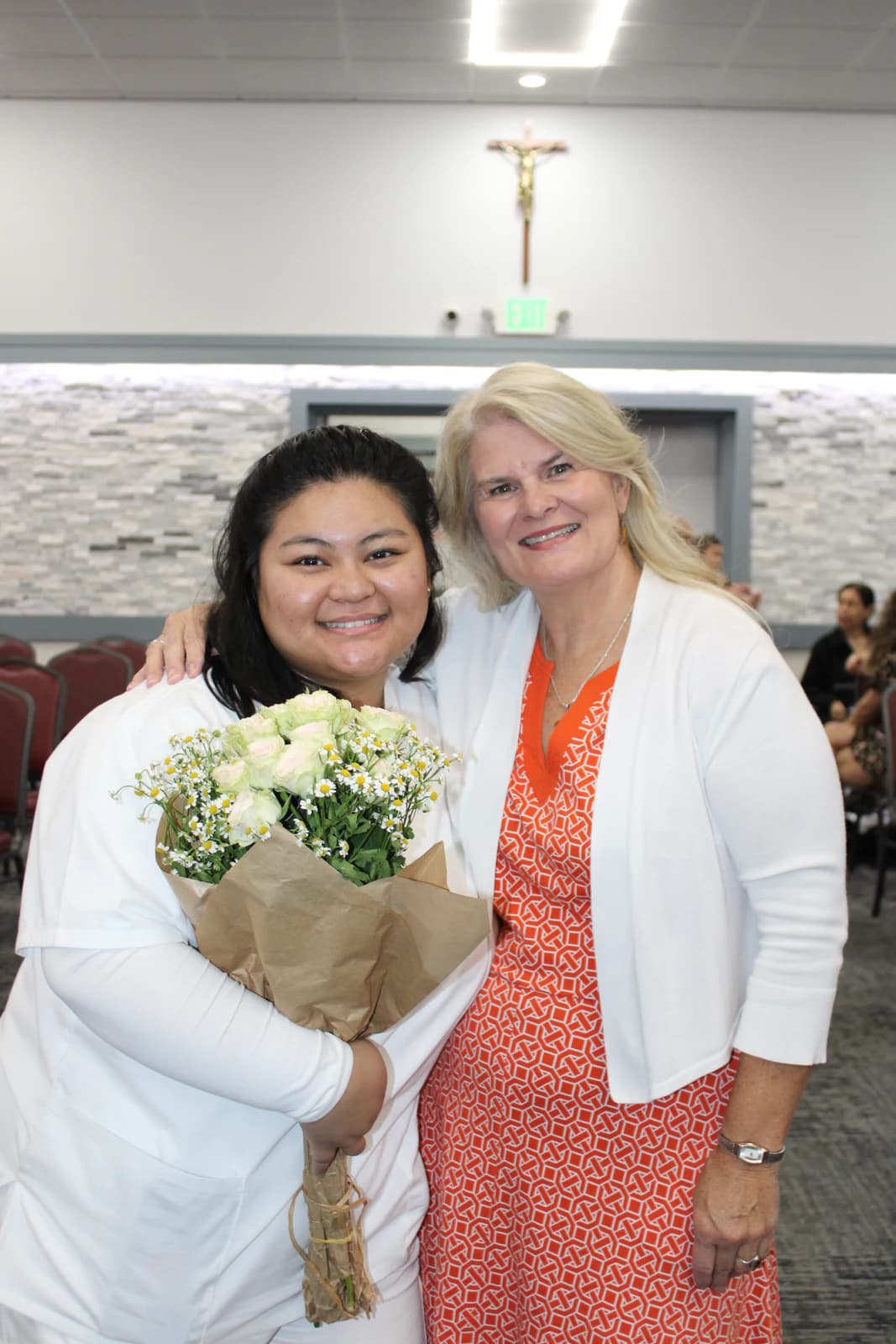
From Graduation to Licensure
- Complete CCI’s Associate Degree Nursing program
- Receive the Associate Degree in Nursing
- Apply to the California BRN and register for the NCLEX-RN®
- Pass the NCLEX-RN® and meet all California licensing requirements
- Become eligible to practice as a Registered Nurse after the BRN issues a license
Completing the ADN program does not itself grant RN licensure. Graduates must apply to the California Board of Registered Nursing, pass the NCLEX-RN®, and satisfy all current licensing requirements before practicing as a Registered Nurse.
Review California RN licensure requirementsWhere Registered Nurses May Work
- Hospitals
- Clinics and physician offices
- Ambulatory care centers
- Surgical centers
- Community health settings
- Post-acute and skilled nursing facilities
- Schools and other applicable healthcare settings
Getting Started
Admissions and student support
The RN application uses a multi-step selection process, while academic and career support continues throughout the program.
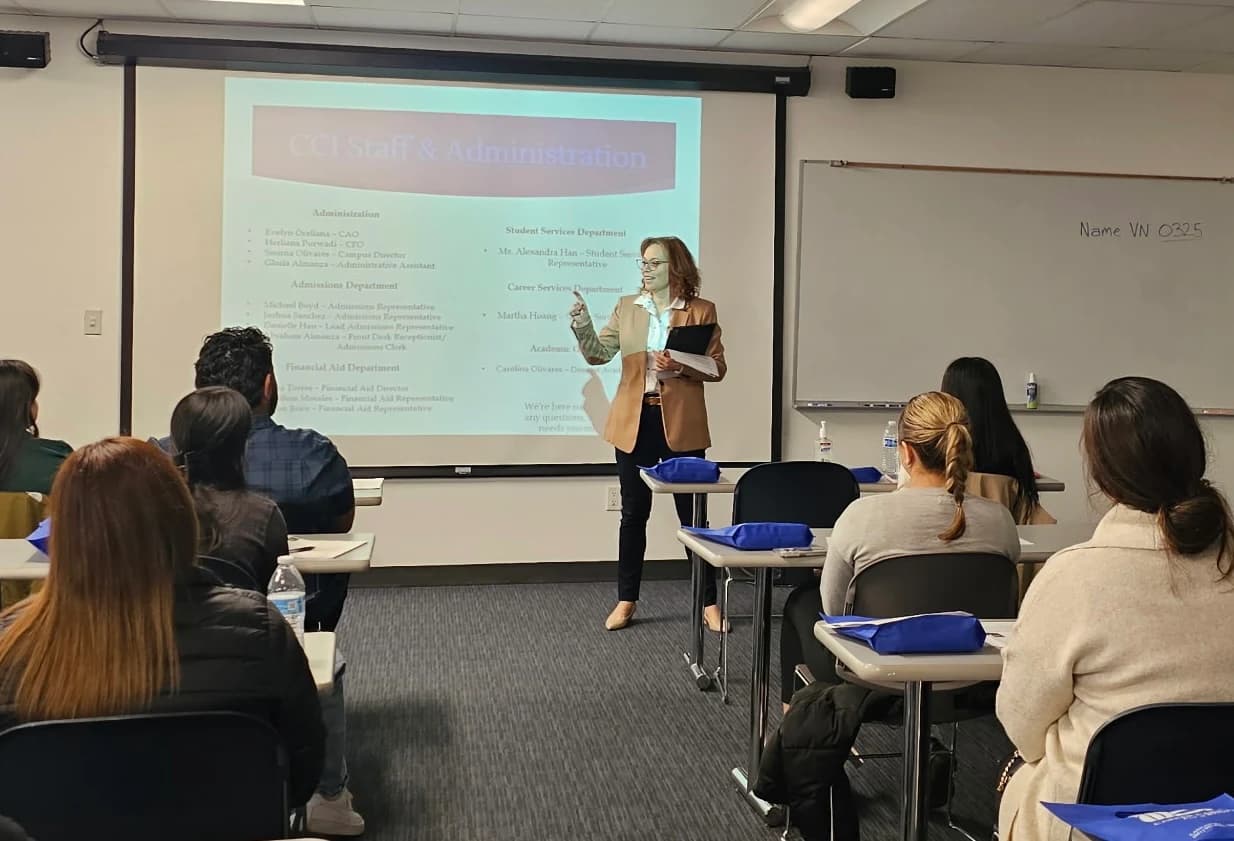
Admissions stages
- Speak with Admissions and review the current RN application
- Submit required transcripts, documents, and essay
- Complete the NLN-NEX or TEAS 7 and the Program Director interview
- Complete selection review and, if admitted, health, background, and drug-screen requirements
- Complete school, nursing-program, and clinical orientations
Student support
- Nursing faculty and Program Director guidance
- Skills and simulation practice
- Tutoring and academic remediation
- Computer lab and library access
- NCLEX-RN readiness resources
- Student advising and support services
- Career-services assistance
- Financial-aid guidance for those who qualify
FAQs
Frequently asked questions
Two years, organized into six terms.
Lancaster only; confirm current cohort dates with Admissions.
Classroom instruction, skills and simulation practice, and supervised clinical learning.
Classes may occur mornings, afternoons, or evenings; clinical assignments may also include weekends and can change.
Application, supporting documents and essay, entrance assessment, Program Director interview, and multi-factor selection review.
January 2026 Quick Facts lists NLN-NEX and TEAS 7; applicants should verify current thresholds and procedures.
Associate Degree in Nursing.
No. Graduates must separately apply, pass NCLEX-RN, and meet BRN requirements.
Review California RN licensure requirementsCCI publishes advanced-placement, challenge-credit, transfer, and California 30-unit options for eligible applicants, generally subject to evaluation and space availability. These remain secondary to the standard ADN route.
Financial aid is available to those who qualify. Current costs should be confirmed through approved program documents and Financial Aid because published figures can change.
Official documents
Program resources
Review the current application, admissions requirements, degree information, disclosures, and California licensing requirements.
Your next step
See where your nursing education could begin.
Visit CCI’s Lancaster campus, explore the learning environment, and get answers about the current RN application process.
No pressure. Just answers.